Encountering a rat or mouse in your home can be a jarring experience. These creatures often symbolize uncleanliness and potential health risks, triggering an immediate sense of urgency. If you find yourself in this unsettling situation, knowing the right steps to take can make a significant difference in managing the issue effectively.
Understanding the Behavior of Rodents
Before diving into action, it helps to understand a bit about rodent behavior. Rats and mice are highly adaptable animals that thrive in urban environments. They can squeeze through tiny openings, often entering homes through gaps around doors, windows, or even plumbing lines. Their ability to reproduce rapidly compounds any sighting into a potential infestation. A single pair of rats can produce dozens of offspring within a year.
Rats are typically more cautious than mice but are also larger and can cause greater damage. Mice tend to be curious and may explore openly, making them easier to spot. Understanding their behaviors allows for better prevention strategies and control measures.
Immediate Actions When You Spot a Rodent
Seeing a rat or mouse should prompt immediate action. Here are some steps you should take right away:
Stay Calm: Panic won’t help the situation. Take a moment to breathe and assess what you have seen.
Observe from a Distance: If it's safe, observe the rodent’s behavior without startling it. This could provide insights into how many there might be and where they are nesting.
Secure Food Sources: Immediately check for any exposed food sources that could attract more rodents. Seal any open food containers and clean up crumbs or spills.
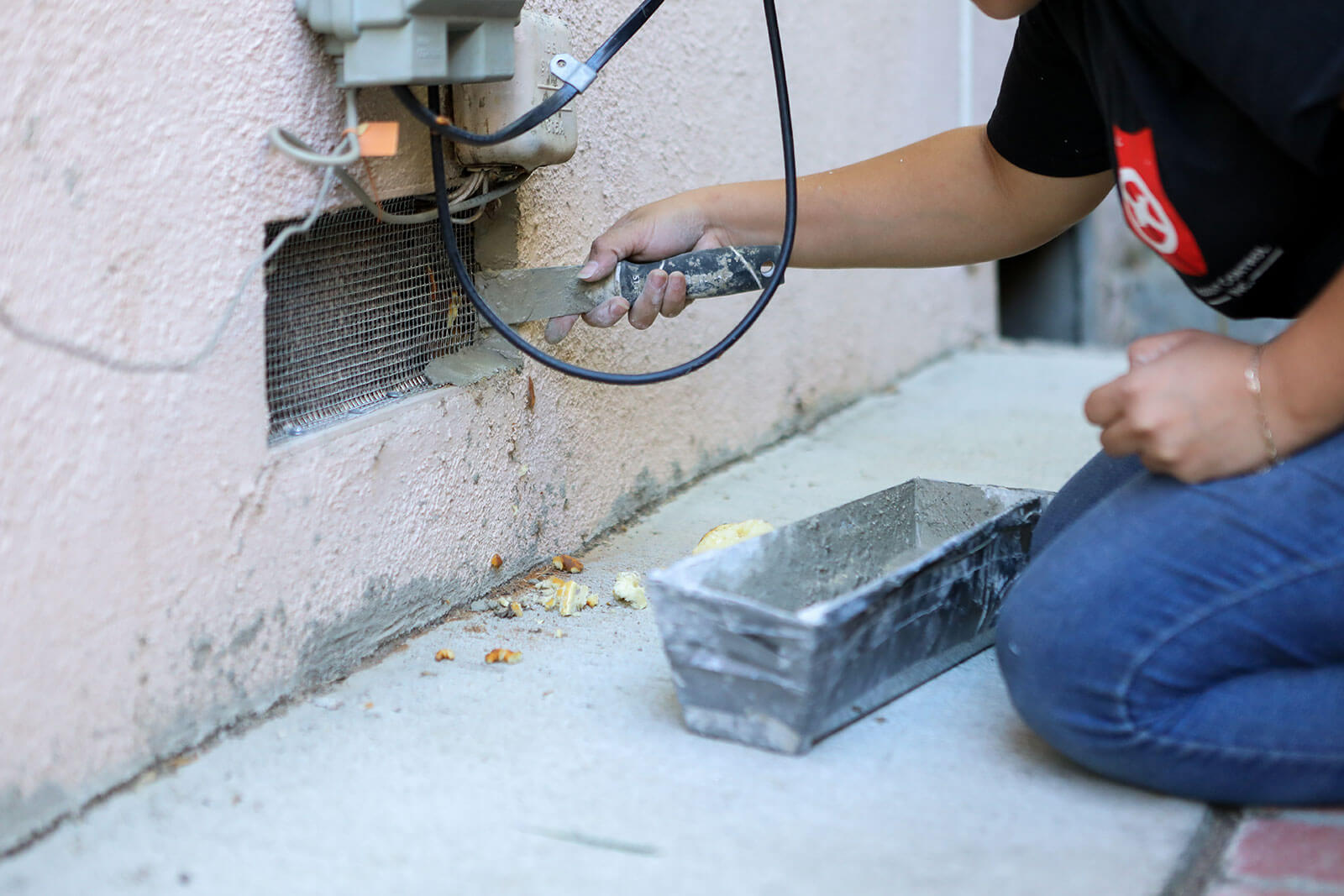
Block Entry Points: Look for entry points where rodents could have entered your home, such as cracks in walls or gaps around pipes. If you feel comfortable doing so, block these areas with materials like steel wool or caulking.
Avoid Direct Contact: Never attempt to catch or handle the rodent yourself unless absolutely necessary; they can carry diseases and may bite when threatened.
Assessing the Situation
After taking those initial steps, carefully assess your surroundings for signs of an infestation:
- Droppings: Small black pellets often indicate where rodents have been active. Nesting Materials: Look for shredded paper, fabric, or other materials that might serve as nests. Gnaw Marks: Check for damage on wooden furniture or walls which can indicate gnawing behavior.
If you notice multiple signs of activity, it is time to consider more comprehensive measures.
Choosing Between DIY Solutions and Professional Help
When faced with a rodent problem, deciding whether to tackle it yourself or call in professionals can be daunting. Here are some considerations that might help guide your decision:
DIY Solutions
For minor infestations or isolated sightings, you might opt for DIY solutions:
- Use traps designed specifically for rats or mice Employ natural deterrents like peppermint oil Set up exclusion methods like sealing entry points
However, keep in mind that DIY methods require diligence and may not always solve deeper issues related to infestations.
Professional Assistance
If you suspect an infestation rather than just a one-off sighting, seeking help from a rodent control company can save time and stress:
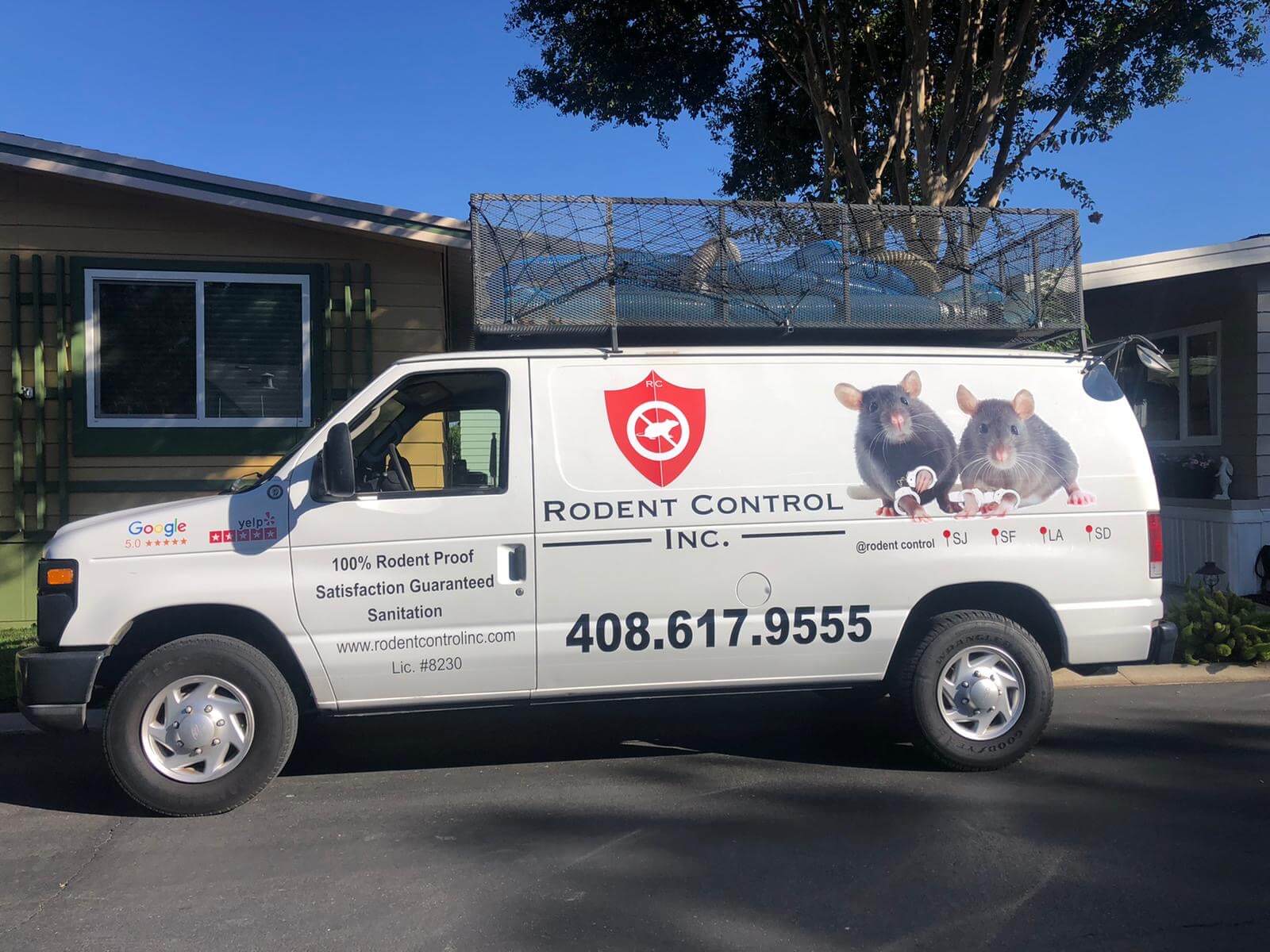
- Professionals have access to advanced tools and techniques. Companies like Rodent Control Inc., based in Los Angeles, specialize in assessing infestations comprehensively. They provide tailored plans based on inspection results rather than one-size-fits-all solutions.
Investing in expert services not only addresses current issues but also helps prevent future problems by identifying potential vulnerabilities around your property.
Preparing Your Home for Prevention
Once immediate actions are taken care of and you've either implemented DIY methods or called professionals like Rodent Control Inc., consider long-term prevention strategies:
Maintain Cleanliness: Regularly clean kitchen areas and store food properly sealed.
Yard Maintenance: Keep outdoor spaces tidy by trimming overgrown vegetation which can provide cover for rodents.
Regular Inspections: Periodically check both inside and outside your home for any new signs of rodent activity.
Educate Yourself About Signs of Infestation: Knowing what droppings look like or how nests appear will help you catch problems early on before they escalate.
Seal Vulnerabilities: Regularly inspect window screens, vents, doors, and other potential entry points - it's often easier to prevent an issue than deal with one after it has started.
The Importance of Quick Action
The sooner you act upon seeing evidence of rodents—whether it's spotting one directly or finding droppings—the better chance you have at controlling the situation before it worsens https://tysonoyjk659.fotosdefrases.com/the-effectiveness-of-ultrasonic-repellents-do-they-really-work-against-rats into an infestation.
Rodents reproduce quickly; one pair could lead to dozens within months if left unchecked. Taking proactive steps will not only protect your home but also mitigate health risks associated with exposure to these pests.
Health Risks Associated with Rodents
Rodents pose various health risks that shouldn’t be underestimated:
- They can carry diseases such as hantavirus and leptospirosis which can spread through their droppings. Allergens found in their urine can trigger respiratory issues.
Understanding these risks underscores the importance of addressing rodent sightings promptly rather than allowing them to become normalized occurrences in your living space.
Final Thoughts on Rodent Encounters
Seeing a rat or mouse is more than just an unsettling experience; it serves as an alert system indicating potential vulnerabilities within your home environment that need addressing immediately.
From securing food sources to calling professionals like Rodent Control Inc., knowledge is power when dealing with such situations effectively ensures peace of mind moving forward.
Remember that effective rodent control combines immediate actions with long-term preventive measures tailored specifically for your living space — stay vigilant!